
The real cost of not capturing safety events
Unreported safety events don't disappear — they compound. Preventable adverse events that go unanalyzed become recurring adverse events, and each one carries malpractice exposure averaging $300,000 or more. CMS penalties for conditions of participation violations can reach millions. Staff who witness preventable harm and see no organizational response experience moral injury — a driver of burnout and turnover that costs hospitals an average of $40,000 to $60,000 per nurse replaced.
The difficulty is that prevention is invisible. You can't point to events that didn't happen. Safety infrastructure feels like overhead until the moment it's obviously inadequate — and by then, patients have been harmed, liability has accrued, and the culture damage is done. Leadership skepticism about ROI is rational when the benefit is framed as abstract risk reduction.
Traditional safety reporting also carries hidden labor costs: quality staff assembling paper records before surveys, managers spending hours formatting spreadsheets for leadership reports, compliance teams chasing down signature requirements. These costs rarely appear on a budget line, but they're real — and they scale with the inadequacy of the underlying system.
How ImprovementFlow addresses this
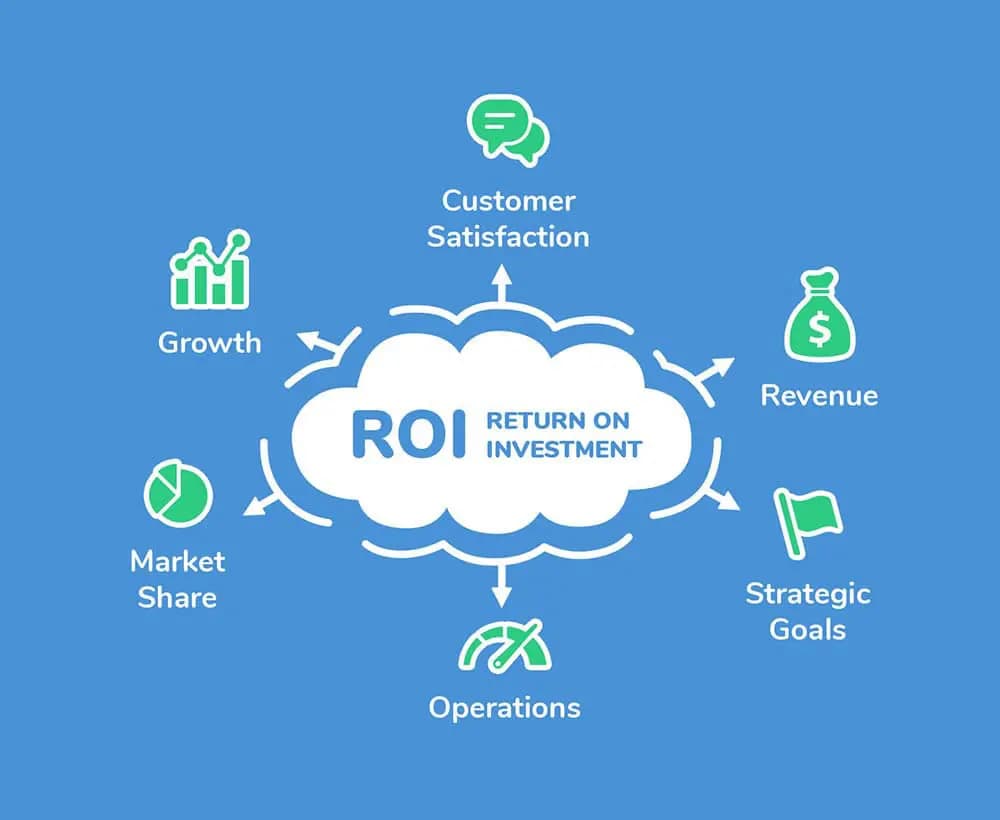
The ROI case for digital safety reporting is most compelling when framed around avoided costs. A single prevented malpractice claim more than covers years of platform costs. One avoided CMS enforcement action justifies the investment many times over. And when improved reporting culture reduces staff turnover by even a fraction, the retention savings alone dwarf the infrastructure cost.
Operational efficiency is a concrete, measurable ROI component. Digital reporting eliminates manual data assembly for surveys, replaces spreadsheet dashboards with real-time analytics, and removes the manager time spent chasing down paper forms. These hours reclaimed are hours available for actual improvement work.
Culture improvement drives engagement and retention in ways that show up directly on the income statement. Organizations that demonstrate visible follow-through on safety reports — where frontline workers see their observations lead to real change — consistently outperform on staff retention metrics. Safety infrastructure that works is also a recruiting asset in a tight clinical labor market.
At UNC Health Care: profitability improved 125%, interruptions reduced over 80%, and process improvements led to multiple Top 5 clinic awards.
Start with what you need today
Start a targeted pilot in 1–2 weeks, then expand into a customized multi-site program in less than a month. We will walk through the workflow that matters to your team before you decide.